Published . A 5 minute read.
Best USB Microphone Under $100: 5 Honest 2026 Picks
The best USB microphone under $100 for calls, streaming and podcasts, plus which mics hide room noise. Find the right one in two minutes.
Short answer
The best USB microphone under $100 for most people is the Samson Q2U, a dynamic mic that picks up your voice instead of your room and adds an XLR output for future upgrades. It usually sells for around $80. The one caveat: you need to speak a few inches from it, or you'll sound distant.
- Samson Q2U wins for echoey, noisy, normal rooms and anyone who might upgrade later.
- HyperX SoloCast 2 wins for beginners who want plug-and-play on a quiet desk.
- FIFINE K669B wins when the real budget is about $30.
Affiliate links inside. We may earn a commission; it never changes a pick. Details.
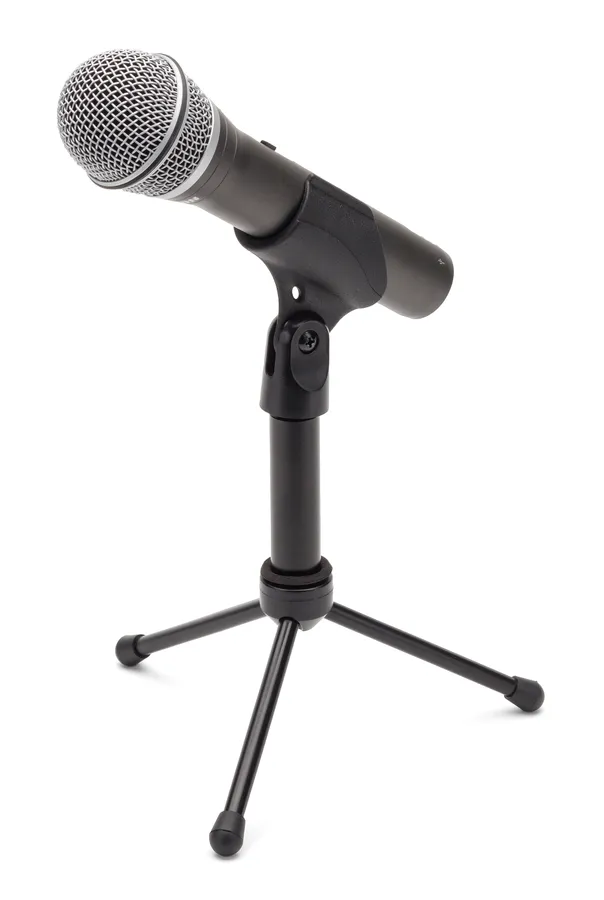
Samson Q2Uabout $80 (list $99.99)
It's the rare budget mic that hears your voice instead of your room, and its XLR output means you won't outgrow it.
The catch: You have to speak a few inches away, and the price has crept up from the old $70.
| Pick | Price | Score | Best for | Buy |
|---|---|---|---|---|
| Samson Q2UBest overall | about $80 (list $99.99) | 4.5 | Home offices, podcasters and anyone in an echoey or noisy room. | See price |
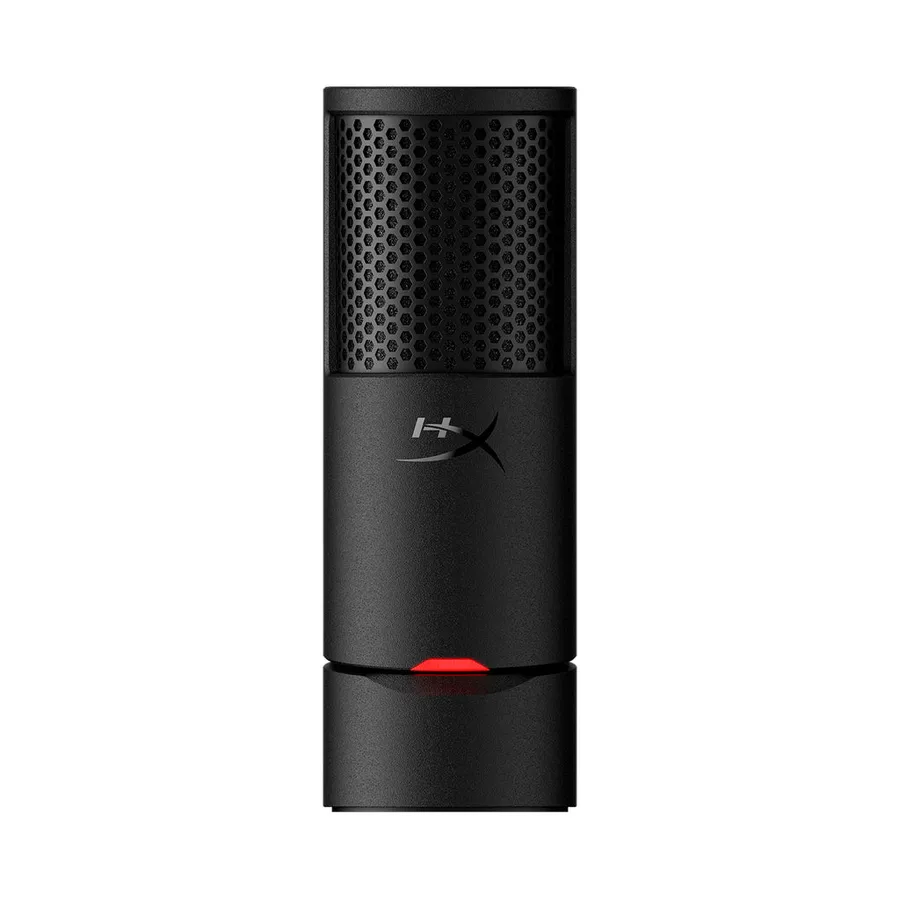 HyperX SoloCast 2Best for beginners HyperX SoloCast 2Best for beginners | $59.99 | 4.0 | First-time buyers with a quiet desk. | See price |
 Razer Seiren V3 MiniBest for gamers Razer Seiren V3 MiniBest for gamers | $59.99 (often discounted) | 4.0 | Gamers and part-time streamers with loud keyboards. | See price |
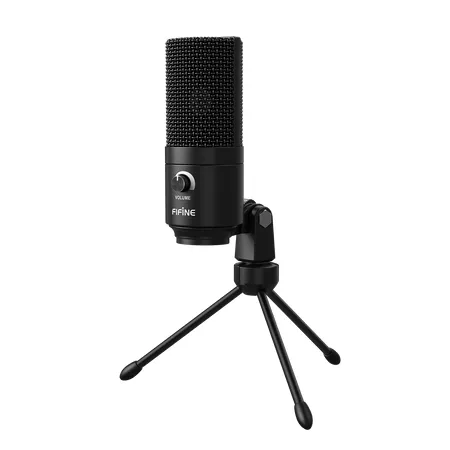 FIFINE K669BBest value FIFINE K669BBest value | about $30 | 3.5 | Zoom calls and class on a shoestring budget. | See price |
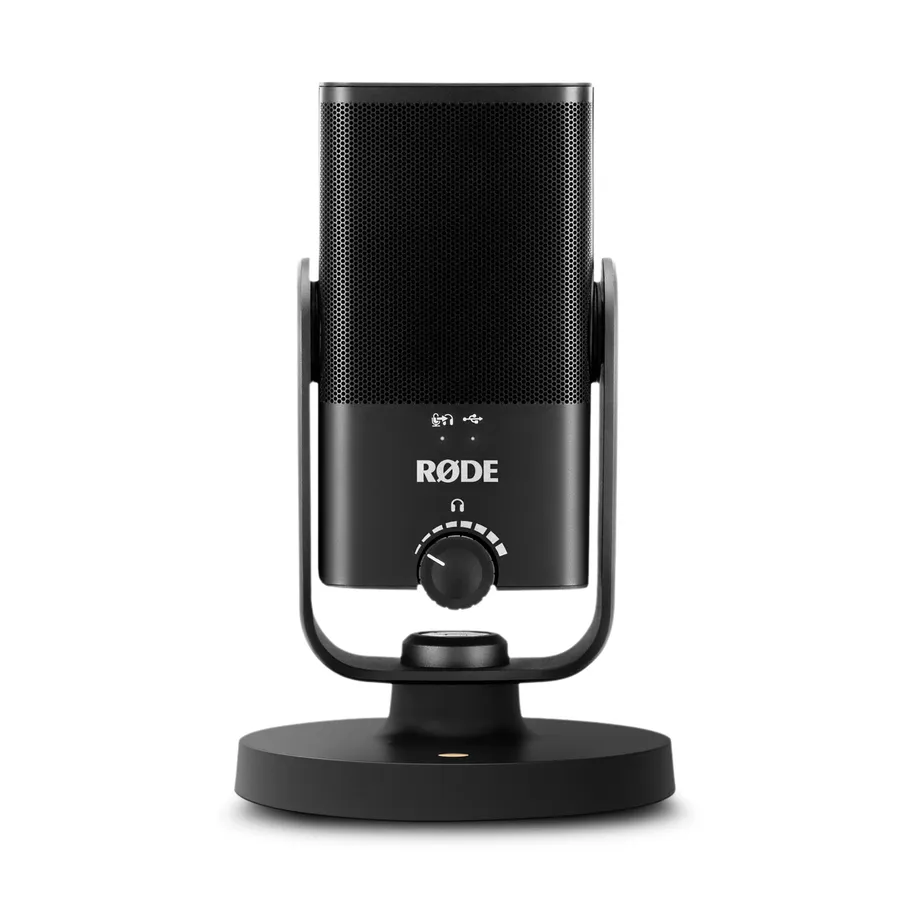 Rode NT-USB MiniBest premium Rode NT-USB MiniBest premium | about $89 | 4.0 | Voiceover and podcasting in already-quiet spaces. | See price |
Your coworkers have heard your fridge. Your Discord friends know exactly when your neighbor mows the lawn. And your laptop mic makes you sound like you’re calling from inside a parked car.
Good news: the best USB microphone under $100 fixes all of that without a mixer, an audio interface or a weekend of YouTube tutorials. Bad news: most budget roundups push the same condenser mics that hear your whole room, and plenty still list models that have been replaced. So here are five picks, sorted by the room you actually have.
How we chose: the “does it hide your room?” test
We didn’t lock ourselves in a studio with 23 mics. We read the reviews so you don’t have to: hands-on write-ups from podcast and PC outlets, spec sheets and thousands of owner ratings, then cross-checked current prices.
Every pick had to come in under $100 at its usual price, plug straight into a computer, and have reviewers broadly agreeing on how it sounds. Then we sorted by the question most lists skip: dynamic vs condenser USB mic. Condensers are sensitive and detailed, which is lovely in a treated room and less lovely in a bare bedroom with hardwood floors. Dynamics mostly hear what’s right in front of them. That means your voice, not your radiator.
We also made sure each pick is the current version. If a list tells you to buy the original Seiren Mini or SoloCast in 2026, nobody has updated it in a while.
Samson Q2U: the best budget USB microphone for real rooms
The Q2U is a dynamic mic with both USB and XLR outputs, and podcast reviewers have called it the budget default for years. ThePodcastHost’s 2026 review still names it the best mic for podcasters. Plug it into your laptop today, and if you ever go down the audio-interface rabbit hole, it comes with you.
The sugar rush is your first call in a busy house, when people hear you and not the dishwasher. There’s a headphone jack too, so you can hear yourself with no delay.
The catch: you have to speak close, a few inches away, or you’ll sound like you’re in the next room. And the price has crept up. The old “$70 mic” line is out of date. Amazon listed it at $79.99 in August 2026, and the list price is $99.99, so wait for a dip if your budget is tight.
Samson Q2U vs HyperX SoloCast 2: which is better for beginners?
The SoloCast 2 is the easiest mic here. It costs $59.99, connects over USB-C, records at 24-bit/96kHz and has tap-to-mute plus a built-in pop filter. PC Gamer’s review found it shines up close, which is exactly where it’ll sit on your desk.
The caveat: there’s no headphone jack, and you set gain in software rather than with a knob. It’s also a condenser, so a hollow-sounding room will show up in your recordings.
So, Samson Q2U vs HyperX SoloCast? If your room echoes or you might upgrade later, buy the Q2U. If you want the cheapest clean, tidy mic for a quiet desk, the SoloCast 2 wins and keeps about $20 in your pocket.
Razer Seiren V3 Mini: the best streaming microphone under $100 for clicky keyboards
The Seiren V3 Mini is a condenser, but it uses a supercardioid pattern, a tighter pickup than most. Reviewers report it keeps keyboard and mouse clicks down, and it connects over USB-C. A tap-to-mute sensor on top helps when your cat walks in mid-match.
The sugar rush is the price. The list price is $59.99, but it’s often discounted well below that. LaptopMag spotted it at $42.99 at Best Buy. For a gamer who streams on the side, that’s a lot of mic for the money.
The catch: it’s tiny, and tight pickup patterns punish people who wander. Lean back in your chair and your voice leans back with you.
Is the FIFINE K669B worth it? The $30 answer
Yes, if your budget is closer to $30 than $100. The K669B is the classic ultra-budget USB mic: a metal body, a tripod stand and a volume knob. Budget roundups keep naming it as the floor for “noticeably better than your laptop.”
The sugar rush is spending about thirty dollars and having someone ask what changed. If you need the best mic for Zoom calls on a shoestring, it’s hard to argue with.
The catch: it’s a basic condenser, so it hears your whole room. Put it in the quietest corner you have and keep it close to your mouth.
Rode NT-USB Mini: the premium pick for quiet rooms
The NT-USB Mini is for people who already have a quiet room and want their recordings to sound like it. You get a headphone jack with zero-latency monitoring, a magnetic desk stand, a built-in pop filter and support for Rode’s Connect software.
The sugar rush is the polish. It sounds and feels a step up from the gaming mics. The catch: there’s no gain knob on the mic itself, and like every condenser it wants calm surroundings. Put it in an echoey room and you’ve paid extra to record the echo in high definition.
Who should skip a USB mic under $100?
- You take a couple of calls a week. A decent headset with a boom mic is probably enough, and it’s already on your desk.
- You’re planning a two-person podcast in one room. Two USB mics on one computer gets awkward fast. An interface with two XLR mics is the cleaner route.
- You record on the move. A wireless lav kit is a different tool for a different job.
- Your real problem is the room. A rug, curtains and a bookshelf can fix more echo than any mic upgrade. Try that first.
Bottom line: which USB microphone should you buy?
- Samson Q2U if your room is normal, noisy or echoey, or if you might move to an XLR setup later. This is the one most people should buy.
- HyperX SoloCast 2 if you want the simplest plug-in mic for a quiet desk.
- Razer Seiren V3 Mini if you game, stream and type loudly, especially when it’s on sale.
- FIFINE K669B if $30 is the budget, full stop.
- Rode NT-USB Mini if your room is already quiet and you want the most polished sound under $100.
Skip it if
- You take a couple of calls a week and already own a decent headset with a boom mic.
- You're recording a two-person podcast in one room (get an interface and two XLR mics).
- You mostly record on the move. A wireless lav kit suits that better.
- You haven't tried a rug and curtains yet. Fixing the room is cheaper than any mic.
Money tip
Don't pay list for the Samson Q2U, since retailers have sold it anywhere from about $70 to $100 this year, and the Razer Seiren V3 Mini is often discounted well below its $59.99 list price.
The picks, in detail
1. Samson Q2U
Best overallA dynamic mic that picks up your voice and ignores most of your room, with USB for today and XLR for whenever you get serious. It's the budget mic podcast reviewers keep coming back to.
- Best for
- Home offices, podcasters and anyone in an echoey or noisy room.
- The catch
- You have to speak a few inches away, and the price has crept up from the old $70.
2. HyperX SoloCast 2
Best for beginnersA USB-C plug-in condenser with tap-to-mute, a built-in pop filter and 24-bit/96kHz recording. It sounds clean up close, with no setup to speak of.
- Best for
- First-time buyers with a quiet desk.
- The catch
- No headphone jack, and gain is set in software only.
3. Razer Seiren V3 Mini
Best for gamersIts supercardioid pattern focuses on your voice and keeps keyboard clatter down, in a tiny USB-C body. It's often on sale, which makes it a strong value.
- Best for
- Gamers and part-time streamers with loud keyboards.
- The catch
- The tight pickup means your voice fades if you lean back.
4. FIFINE K669B
Best valueA metal-bodied USB mic with a tripod and volume knob that's a clear step up from a laptop mic. It's the go-to pick when the budget is small.
- Best for
- Zoom calls and class on a shoestring budget.
- The catch
- A basic condenser that hears your whole room.
5. Rode NT-USB Mini
Best premiumZero-latency headphone monitoring, a magnetic stand and a built-in pop filter in a polished package. It's the best-sounding choice here for a quiet room.
- Best for
- Voiceover and podcasting in already-quiet spaces.
- The catch
- No gain knob on the mic, and it exaggerates an echoey room.
Questions people ask
What is the best USB microphone under $100?
The Samson Q2U is the best USB microphone under $100 for most people. It's a dynamic mic, so it picks up your voice and little of your room, and it has both USB and XLR outputs, so it can move to an audio interface later. It usually sells for around $80. If you have a quiet room and want a simpler plug-in mic, the $59.99 HyperX SoloCast 2 is the alternative.
Is a dynamic or condenser USB mic better for home use?
A dynamic mic is better for most homes. Dynamic mics mainly pick up sound close to them, so echo, fans and household noise stay in the background. Condensers capture more detail but also more of the room, which only helps if your space is quiet and soft-furnished. If your room has bare walls or hard floors, choose a dynamic like the Samson Q2U.
Which is better, Samson Q2U or HyperX SoloCast 2?
The Samson Q2U is better for most rooms and anyone who might upgrade, thanks to its noise-rejecting dynamic design, headphone jack and XLR output. The HyperX SoloCast 2 is better if you want the simplest, cheapest plug-and-play mic for a quiet desk: it costs $59.99 and connects over USB-C, but it has no headphone jack and it's a condenser.
Is the FIFINE K669B worth it?
Yes, if your budget is around $30. The FIFINE K669B has a metal body, a tripod stand and a volume knob, and it's a clear upgrade over a laptop or webcam mic for calls and class. It's a basic condenser, though, so it picks up room noise. If you can spend $60 to $80, a dynamic mic like the Samson Q2U is a bigger upgrade.
What's the best mic for Zoom calls under $100?
The Samson Q2U is the best mic for Zoom calls under $100 if your home is noisy, because its dynamic design keeps background sound down. On a tight budget the FIFINE K669B handles calls well for about $30. If you type a lot during meetings, the Razer Seiren V3 Mini's supercardioid pattern helps keep keyboard clicks out of the call.
Do I need an audio interface for a USB microphone?
No. A USB microphone plugs straight into your computer and works without an audio interface or mixer. Mics with both USB and XLR outputs, like the Samson Q2U, give you the option of connecting to an interface later if you upgrade your setup. For calls, streaming and solo podcasts, USB alone is enough.
P.S. You read the whole thing, which means you care. Samson Q2U is the one, or FIFINE K669B if you're watching the budget.
Get the next verdict on Telegram